

Cabinet care is essential to maintaining the beauty and longevity of one of your home’s most prominent features. Cabinets, whether in the kitchen, bathroom or any other room, are more than functional storage spaces; they are also significant elements of your home’s overall aesthetic. Proper care and maintenance ensure that your cabinets remain a source of pride and beauty for years to come.
The basics of cabinet care involve a range of practices, from gentle handling to deep cleaning. Adopting a proactive approach to cabinet maintenance helps prevent common issues such as warping, staining, and wear and tear. In this guide, we’ll explore practical and effective tips to help you keep your cabinets looking as good as new, preserving their functionality and enhancing the overall appeal of your space.
Tip 1: regular cleaning
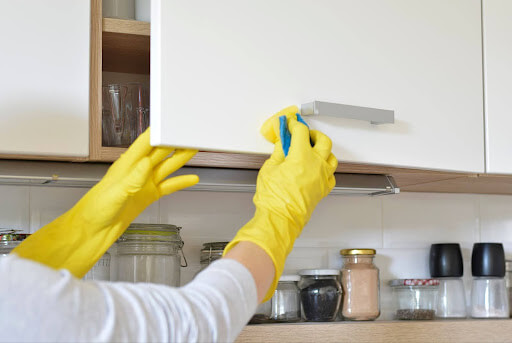
Regular cleaning helps maintain your cabinets’ appearance and longevity. Cabinets, particularly in high-traffic areas like kitchens, are prone to accumulating dust, grease, and other residues. Over time, this accumulation leads to a dull and grimy appearance and — if left unaddressed — lasting damage to the cabinet’s surface or hardware.
To keep your cabinets in pristine condition, establish a routine cabinet cleaning schedule. For daily maintenance, a soft cloth or microfiber towel is ideal for wiping away fingerprints and smudges. For more thorough weekly cleanings, use a mild soap and water solution. Apply it gently with a soft sponge, focusing on handles and other high-touch areas where grease and grime tend to build up.
Avoid using abrasive cleaners or scouring pads, which may scratch and damage the cabinet’s finish. Strong cleaners, such as bleach or ammonia-based products, are often detrimental to the cabinet’s finish, potentially leading to discoloration, stripping of the protective coating, or even warping the wood. These aggressive substances usually cause more harm than good and shorten the lifespan of your cabinetry.
Instead, opt for natural and gentle alternatives or pH-neutral cleaners specifically designed for cabinet care. For homemade solutions, try a simple solution of mild dish soap and warm water for regular cleaning. For tougher stains, use a mixture of vinegar and water to gently remove stubborn stains without scratching the surface. By choosing these natural cabinet cleaning solutions, you not only protect your cabinets but also create a safer environment in your home.
Remember, the key to keeping your cabinets looking their best is consistency in your cabinet cleaning routine coupled with the right products and techniques. This approach will enhance their appearance and extend their life, ensuring they remain a beautiful and functional part of your home for years to come.
Tip 2: dealing with humidity and temperature changes
Humidity and temperature fluctuations can impact the integrity and appearance of your cabinets.
Wood, you know, that stuff trees are made of is touchy regarding the weather and stuff around it. Wood starts to act funny when there’s a lot of moisture in the air, like on super humid days. It gets bigger. This isn’t great for things made of wood, like the doors on your cabinets or the frames around them. They can bend out of shape or get swollen and not fit right.
On the flip side, when the air is really dry, like in those chilly winter months or desert places, wood has the opposite problem. It starts to shrink. This can cause some big headaches. Your cabinet doors might get gaps, or worse, they could crack. It’s like the wood is thirsty and shrinks up.
But wait, there’s more! It’s not just about wet or dry air. Temperature is a big deal, too. Imagine a super hot day and then a really cold night. Wood doesn’t like that. These wild swings in temperature can mess with how the wood is put together. Think of it like wood getting a fever and then the chills. This can hurt not just the wood but also the paint or finish on your cabinets. They can start to look old and worn out way too soon.
So, wood is pretty sensitive. It’s like it has a mood based on the weather. When you have wooden stuff, especially nice cabinets, you’ve got to think about these things. It’s all about keeping your wood happy and healthy!
To protect your cabinets from these environmental factors, maintain a stable indoor climate. During humid seasons or in naturally damp environments, consider using a dehumidifier to keep moisture levels in check. This will help prevent the wood from swelling and warping. In dry conditions, especially during winter when heating systems are in use, use a humidifier to add necessary moisture to the air to prevent the wood from drying out and cracking.
Keeping cabinets away from direct heat sources like radiators or ovens is advisable, as excessive heat sometimes leads to dry and cracked wood. Also, avoid placing cabinets in direct sunlight, which may lead to fading and discoloration over time.
Tip 3: protecting cabinet surfaces
Protecting the surfaces of your cabinets is key to maintaining their pristine condition and aesthetic appeal. Cabinets are often subjected to daily wear and tear, which might lead to unsightly scratches and dents. However, you can safeguard them against such damage with a few proactive measures.
One effective way to protect cabinet surfaces, especially shelves and drawers, is by using liners. Shelf liners act as a barrier between the cabinet surface and the items stored within. They not only prevent scratches but also make cleaning easier — simply remove and wash or replace the liners as needed. Choose non-adhesive liners to avoid any potential residue that could damage the cabinet’s finish.
For cabinets with glass elements, consider using felt pads on the corners of the glass. This reduces the risk of chipping or cracking when the doors are closed. Similarly, for cabinets in high-traffic areas or those that house heavy items, place protective pads on the bottom to minimize impact and prevent denting.
Additionally, be mindful of the items you store in your cabinets. Avoid overloading shelves with heavy objects, and be cautious when placing or removing items, especially those made of metal or other materials that could scratch the surface.
Tip 4: proper handling and usage
Proper handling and usage are crucial in preserving the integrity and appearance of your cabinets. While cabinets are built to last, they are not immune to damage from rough handling or misuse. Gentle and careful usage helps extend their lifespan and maintain their aesthetic appeal.
Firstly, it’s important to be mindful when opening and closing cabinet doors and drawers. Avoid slamming them, as this contributes to the hinges loosening over time. This loosening leads to misalignment and potential damage to the cabinet’s structure.
Instead, gently handle your cabinet doors and drawers, ensuring they close smoothly and securely. If you notice any squeaking or resistance, it may be time to lubricate the hinges or check for any loose screws.
When it comes to drawers, be cautious of overloading them. Excessive weight strains the drawer slides, leading to warping or even breaking. Distribute items evenly and avoid storing overly heavy objects in them. If your cabinets have adjustable shelves, ensure they are properly secured and avoid placing too much weight on them to prevent sagging or collapsing.
Additionally, when cleaning or moving objects in and out of your cabinets, be careful not to drag or drop them. Dragging can scratch the interior surfaces or cause dents. Always lift items clear of the surface to maintain the cabinet’s finish.
Tip 5: addressing spills and stains immediately
Immediately addressing spills and stains helps prevent permanent damage and maintains the cabinet’s pristine appearance.
When a spill occurs, act quickly to blot it up with a soft, absorbent cloth. Avoid wiping or spreading the spill, as this can cause the liquid to seep into the wood or finish, leading to stains or damage. Use a damp cloth with a mild soap solution for sticky or oily spills. Gently dab the area to fully remove the spill, then dry the area thoroughly with a clean cloth.
For tougher stains, such as those caused by food or beverages, a mixture of baking soda and water is a gentle yet effective cleaning solution. Apply the paste to the stained area, let it sit for a few minutes, and gently wipe it away with a damp cloth. Always test any cleaning solution on an inconspicuous area first to check it doesn’t harm the finish.
Tip 6: periodic deep cleaning
Periodic deep cleaning keeps cabinets superficially clean and hygienically maintained. Over time, cabinets accumulate hidden grime and debris, particularly in hard-to-reach areas. A thorough cleaning every few months refreshes your cabinets and extends their lifespan.
To start, empty your cabinets completely. This allows you to sort through your items, discard what’s no longer needed, and organize as you reload. Use a vacuum with a soft brush attachment to remove dust and crumbs from inside the cabinets, paying special attention to corners and crevices.
Next, clean the cabinet surfaces. For the interior, a mild soap and water solution should suffice.
For the exterior, especially if you have grease buildup in kitchen cabinets, you might need a slightly stronger solution. Use a mixture of dish soap and warm water or a vinegar solution. Apply with a soft cloth or sponge, gently scrubbing in the direction of the wood grain. Rinse with a damp cloth and dry thoroughly.
Occasionally, it might be beneficial to seek professional cleaning services, especially for high-end or delicate cabinetry. Professionals have the right tools and products to deep clean without causing damage, ensuring your cabinets are cared for properly.
Tip 7: hardware maintenance
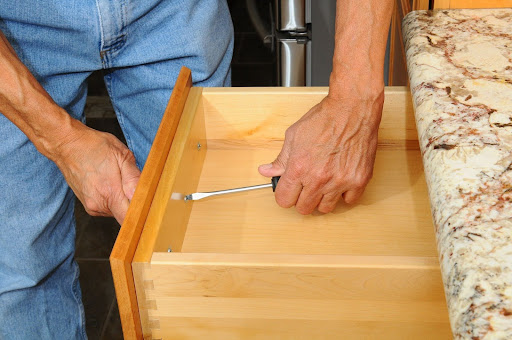
Maintaining the hardware of your cabinets is as important as caring for the cabinet surfaces themselves. Cabinet hardware, including knobs, handles, and hinges, significantly impacts the overall functionality and appearance of your cabinets. Over time, these pieces may become loose, dirty, or tarnished, detracting from the beauty of your cabinetry.
Regularly check your cabinets’ hardware to make sure everything is tight and secure. Loose knobs or handles are inconvenient and can cause additional strain on the cabinet doors or drawers, leading to damage. Use a screwdriver to gently tighten any loose screws. Take care not to over-tighten to avoid stripping the screw or damaging the wood.
Cleaning your cabinet hardware is also a good idea. Dust, grease, and grime build up on knobs and handles, especially in high-use areas like kitchens.
For routine cleaning, a mild soap and water solution is usually sufficient. For metal hardware, use a specialized cleaner to restore shine and remove tarnish. Dry the hardware thoroughly after cleaning to prevent any water spots or rust.
Find cabinets with long-lasting beauty with Express Cabinets
Proper cabinet care is essential for maintaining the beauty and functionality of one of your home’s key features. Following these tips ensures that your cabinets remain a stunning and durable part of your space for years.
When it comes to exceptional cabinetry, Express Cabinets stands out as a leader in the industry. We pride ourselves on offering a wide range of beautiful, high-quality cabinets that are as beautiful in your home as they are friendly to your wallet. Our commitment to craftsmanship and attention to detail ensures that every cabinet we provide meets the highest quality and durability standards.
At Express Cabinets, we understand that each home is unique, and so are your needs. That’s why we offer a variety of styles and customization options to suit your specific requirements and taste. Whether you’re looking for a modern update or a timeless classic, our team of experts is here to help you find the perfect cabinetry solution.
We invite you to explore Express Cabinet’s exceptional range of products and services. Contact us to discover how we can enhance the beauty and functionality of your home with our top-quality cabinets. Choose Express Cabinets for cabinetry that combines elegance, durability, and unparalleled craftsmanship.